Dark Circles: What Skincare Can (and Can't) Do
Élan Vivre Skin TeamShare
Dark circles are one of the most common concerns on Indian skin – and one of the most misunderstood. Some respond well to skincare; others are mostly about genetics or anatomy. Knowing your type saves time and money.
The three main types
1. Pigmented (brown) circles
Extra melanin under the eyes, very common in deeper skin tones and often worsened by sun and rubbing. Skincare helps most here: brightening ingredients plus daily sun protection.
2. Vascular (blue-purple) circles
Thin under-eye skin shows the blood vessels beneath. Hydration and better sleep can soften the look; retinoids may improve thickness of skin over time.
3. Structural (shadow) circles
Hollows or puffiness cast shadows. These are about facial structure and change little with creams; concealer and lighting help most.
Many people have a mix. A quick check: gently stretch the skin – if the colour stays, it's likely pigment; if it lightens, it's more likely shadow or vascular.
What helps
- Sunscreen and sunglasses – the eye area tans and pigments easily
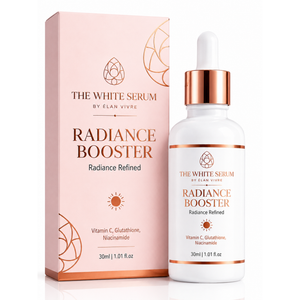
- Vitamin C and niacinamide – for a brighter, more even look on pigmented circles (apply a small amount carefully around the orbital bone, not on the lid)
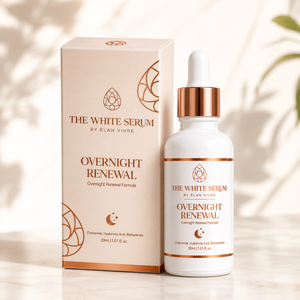
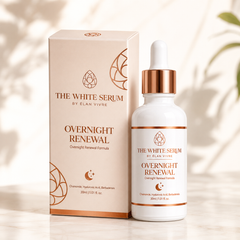
- Hydration – plump, hydrated skin hides vessels better; a hyaluronic acid serum like Overnight Renewal can be patted lightly around the eye area at night, avoiding the lash line
- Sleep and allergies – 7–8 hours and managing nasal allergies reduce puffiness and congestion-related darkness
- No rubbing – friction deepens pigmentation
Patch test first
Eye-area skin is thin and sensitive. Try any active on a small spot for a few days, and stop if you notice stinging or redness.
When to see a professional
If dark circles appear suddenly, are on one side only, or come with swelling, check with a doctor.
Measure your starting point
Our free AI Skin Scanner includes a dark-circles score, so you can track improvements over time. For overall tone, read how to reduce the look of dark spots.
This article is for general cosmetic guidance and is not medical advice.